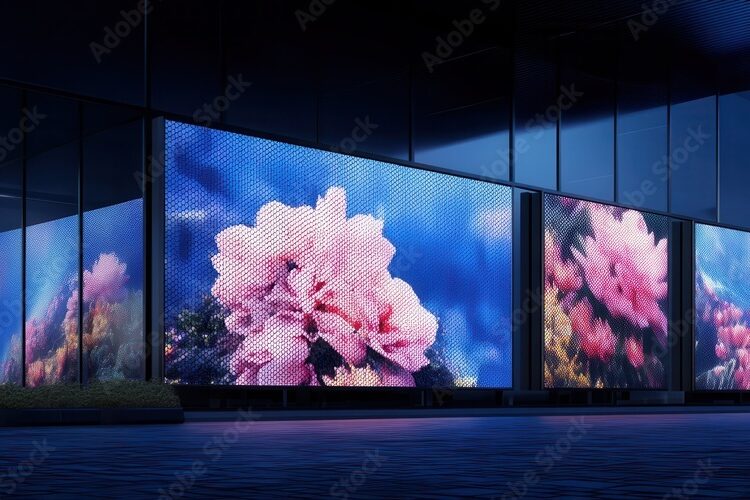
As we move into 2026, India’s advertising and corporate sectors are undergoing a massive “digital-first” transformation. With the rise of Smart Cities from Nashik to Surat, LED displays have become the backbone of modern urban communication.
However, “one size” does not fit all. To get the most out of your investment, you must understand the engineering differences between Indoor and Outdoor solutions.
1. Indoor LED Displays: Precision and Clarity
Indoor screens are designed for environments with controlled lighting where viewers are standing or sitting close to the display.
- Pixel Pitch (Resolution): Indoor screens use a much smaller pixel pitch, typically ranging from P0.9 to P2.5. This ensures that even from a few feet away, the image looks as sharp as a high-definition TV.
- Visual Performance: 2026 standards prioritize High Refresh Rates (up to 7,680Hz) to ensure visuals are “camera-ready.” This is essential for modern offices and studios where people frequently photograph or film the screen for social media.
- Applications: Ideal for Corporate Boardrooms, Luxury Retail Stores, Airport Information Displays, and Control Rooms.
2. Outdoor LED Displays: Power and Durability
Outdoor screens are engineered for “environmental combat.” They must stay visible under the harsh midday Indian sun and survive extreme weather.
- Luminous Intensity (Brightness): While indoor screens hover around 1,000 nits, outdoor displays reach 5,000 to 10,000+ nits. This allows them to stay vibrant even in direct sunlight.
- Ingress Protection (IP Rating): Outdoor units are built with IP65 to IP68+ ratings, making them completely dustproof and waterproof against heavy rain.
- Pixel Pitch: Because these are viewed from a distance (like a highway or a stadium), they use a larger pixel pitch, typically P4 to P10, which provides a cost-effective way to cover massive surface areas.
Technical Comparison at a Glance
| Feature | Indoor LED Displays | Outdoor LED Displays |
| Pixel Pitch | 0.6mm – 2.5mm (Ultra Fine) | 4.0mm – 10.0mm (Standard) |
| Brightness | 600 – 1,500 nits | 5,000 – 10,000+ nits |
| Protection | Basic (IP20/IP30) | Weatherproof (IP65+) |
| Maintenance | Front/Rear Accessible | Often Front Serviceable for ease |
3. The Smart City Advantage: 2026 Trends
In late 2025, we are seeing a massive surge in Variable Message Displays (VMD) and Intelligent City Surveillance systems.
- AI Integration: Modern screens now use AI to auto-adjust brightness based on ambient light, saving significant energy costs.
- IoT Connectivity: Screens in smart hubs like Thane and Bengaluru are now integrated with emergency response systems and environmental sensors to show real-time AQI and traffic alerts.
- Sustainable Tech: New COB (Chip-on-Board) technology is reducing power consumption by up to 40%, making digital signage an eco-friendly alternative to traditional printed vinyl.
Conclusion: Choosing Your Solution
The best LED display is the one that matches your specific environment and viewing distance. At Gleam LED, we provide end-to-end solutions—from technical site surveys to professional installation—ensuring your indoor or outdoor display performs perfectly for years to come.
Ready to illuminate your business?
Contact Us Now