Category: Applications & Digital Signage Marketing

  • DOOH Creative Rules for LED Billboards: Sizes, Fonts, Contrast & the 6-Second Framework

    The best DOOH billboard creative follows one rule: one message, high contrast, readable in 6 seconds. If someone can’t understand your ad at a glance—while moving—it won’t perform, even on the brightest LED screen.

    If you’re new to DOOH and want the basics first, read: DOOH Advertising Explained.
    If you’re planning OOH for 2026 growth, see: Why OOH is Your 2026 Growth Engine.


    What is the 6-second framework for DOOH creative?

    Your billboard must deliver the full message in 6 seconds or less—because most viewers are walking, driving, or glancing briefly.

    The 6-second checklist

    Your creative should be clear by second 1–2:

    • Brand visible immediately
    • One idea only (one offer, one message)
    • Big headline (short and bold)
    • One CTA (visit / call / WhatsApp / search)
    • High contrast for daylight readability

    How many words should a DOOH digital billboard have?

    Keep the main message to 6–8 words max. For high-speed roads, go even shorter.

    Word count guidelines (practical)

    • Highways / fast traffic: 3–6 words
    • Intersections / slow traffic: 6–8 words
    • Malls / walk-by areas: 6–10 words (only if viewing distance is close)

    If you need more than 10 words, your ad belongs on a landing page—not a billboard.


    What font size should you use on an LED billboard?

    Use large, bold fonts matched to viewing distance. Small text fails outdoors due to motion + glare + distance.

    A widely used signage guideline is:

    • Minimum text height (inches) = viewing distance (feet) ÷ 10
      (Then increase for comfort/readability.)

    LED billboard font size guide (distance → letter height)

    Use this as a starting point (increase sizes if traffic is faster or background is visually busy):

    Typical viewing distanceRecommended letter height (minimum)Best use case
    10–20 m250–400 mmstorefront, close roadside
    20–40 m400–700 mmintersections, arterial roads
    40–80 m700–1200 mmlarge roads, flyovers
    80–150 m1200–2000 mmhighways / long-range boards

    Font style rules (non-negotiable)

    • Use Bold / Black weights
    • Avoid thin, condensed, or decorative fonts
    • Avoid ALL CAPS for long phrases (harder to read fast)
    • Prefer simple, wide letterforms (fast recognition)

    What colors work best for outdoor LED billboards in daylight?

    Use high-contrast pairs and avoid low-saturation palettes. Daylight washes out subtle gradients and light-on-light designs.

    Best color strategies for DOOH LED screens

    • Bright text on dark background
    • One accent color + neutral base
    • Use solid color blocks behind text (dramatically improves readability)

    Color combinations that usually work outdoors

    • White on deep charcoal/black
    • Yellow/amber on deep navy/black
    • Cyan on deep slate
    • Bright red on dark gray (with strong separation)

    What to avoid

    • pastel-on-white
    • light gray text
    • complex photos behind small text
    • thin outlines as the only separation

    What is a “safe zone” on LED billboards?

    A safe zone is the area where key text/logos should stay so they don’t get cut off by frames, mounting, or viewing angles.

    Safe zone rules (simple)

    • Keep critical elements 8–10% away from all edges
    • Avoid placing CTA at the very bottom edge
    • Keep logo + headline inside the safe zone always

    What resolution should your DOOH creative be?

    Design creative at the exact pixel resolution provided by the media owner (or your LED screen’s native canvas). Avoid scaling low-quality assets upward.

    Practical workflow

    • Request the creative spec sheet: pixel width × height, aspect ratio, file format
    • Use vector for logos and text where possible
    • Export clean (avoid heavy compression and blur)

    If you’re building your own DOOH site or choosing the screen hardware, start here:


    Best DOOH billboard layout (a template that works)

    The best layout is Brand + One message + One CTA.

    Proven layout formula

    1. Logo/Brand (top-left or top-center)
    2. Big headline (center)
    3. One CTA (bottom-right or bottom-center)

    CTA options that work

    • “Visit ___”
    • “Call/WhatsApp ___”
    • “Search ‘Brand + Product’”
    • “Exit 200m →”
    • “Today only”

    Tip: QR codes are best in dwell-time locations (intersections, queues, mall entrances). On high-speed highways, a short URL or “Search ___” CTA usually works better.


    Motion rules: how long should a DOOH ad play?

    For most loops, 6–10 seconds per creative is the sweet spot—short enough to repeat, long enough to read.

    Animation do’s

    • Slow, smooth motion
    • One moving element at a time
    • Keep the headline stable

    Animation don’ts

    • flashing/strobing
    • fast zooms with small text
    • multiple objects moving in different directions

    DOOH creative checklist

    Use this before approving any billboard creative:

    ✅ One message only
    ✅ 6–8 words max (highway: 3–6)
    ✅ Bold, large typography matched to distance
    ✅ High contrast (dark base + bright text)
    ✅ Brand visible in first 1–2 seconds
    ✅ One CTA only
    ✅ Safe zone respected (8–10% margin)
    ✅ No busy photo behind small text
    ✅ Motion minimal and smooth (if animated)
    ✅ Export matches exact pixel spec


    “Good vs bad” DOOH copy examples

    Bad (too much text)

    “Introducing our premium collection with exclusive offers available now at all locations — visit our website to learn more.”

    Good (one idea)

    “Premium Collection. 20% Off Today.”
    CTA: “Visit ___” / “Exit 200m →” / “Search ‘Brand + Product’”

    Bad (unclear CTA)

    “Experience the difference.”

    Good (measurable CTA)

    “WhatsApp for quote.” / “Visit ___/offer.” / “Search ‘Brand + Model’.”

    What is the best font size for a digital billboard?

    Use bold fonts and size text by viewing distance. A common signage rule is minimum text height (inches) = viewing distance (feet) ÷ 10, then scale up for comfort.

    How many words should a DOOH billboard have?

    Most DOOH billboards work best with 6–8 words. For highways, keep it to 3–6 words.

    What colors are best for LED billboards in sunlight?

    High-contrast combinations like bright text on dark backgrounds. Avoid pastel or light-on-light palettes.

    How long should a DOOH ad display?

    Typically 6–10 seconds per creative, aligned with the 6-second readability rule.
  • DOOH Advertising Explained: What It Is, How It Works & Why Brands Use It

    DOOH Advertising Explained: What It Is, How It Works & Why Brands Use It

    Digital Out-of-Home (DOOH) advertising is one of the fastest-growing segments of the advertising industry. From LED billboards on highways to digital screens in malls and airports, DOOH combines traditional outdoor advertising with real-time, dynamic digital content.

    This guide explains:

    • What DOOH advertising is
    • How it works
    • The formats used in DOOH
    • Where it’s most effective
    • Why brands invest in DOOH campaigns

    What Is DOOH Advertising?

    DOOH advertising refers to digital advertising displayed on electronic screens in public spaces. Unlike static billboards or posters, DOOH content can be updated remotely, scheduled by time of day, and tailored to different audiences.

    Common DOOH formats include:

    • Outdoor LED billboards
    • Digital screens in malls
    • Transit displays in airports and metro stations
    • Screens in office lobbies and commercial buildings

    How Does DOOH Advertising Work?

    DOOH campaigns are powered by a combination of:

    • LED display screens (indoor and outdoor)
    • Content management systems (CMS) to schedule and update content
    • Connectivity (internet or local networks)
    • Media planning platforms for ad scheduling and reporting

    Brands can update messages instantly, run multiple campaigns in a day, and rotate creatives based on time, location, or audience type.

    Key DOOH Advertising Formats

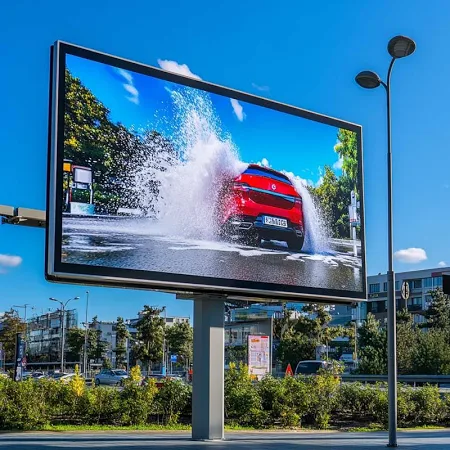
    Outdoor LED Billboards

    Large-format LED screens placed along highways, building facades, and busy streets.

    Indoor Digital Signage

    Screens in malls, offices, and retail environments for promotions and brand messaging.

    Transit DOOH

    Displays inside airports, metro stations, and railway terminals targeting commuters and travelers.

    Benefits of DOOH Advertising

    High Visibility: Large screens capture attention in busy environments
    Dynamic Content: Change campaigns instantly
    Better Targeting: Time-based or location-based messaging
    Stronger Brand Recall: Motion graphics and video drive higher engagement
    Scalability: Run the same campaign across multiple locations

    Where DOOH Advertising Works Best

    • High-traffic roads and intersections
    • Shopping malls and retail hubs
    • Airports and metro stations
    • Corporate and commercial complexes

    DOOH advertising combines the reach of outdoor advertising with the flexibility of digital media. As LED display technology improves, DOOH campaigns are becoming more immersive, targeted, and measurable.

    Planning a DOOH campaign? Explore outdoor and indoor LED display solutions to power your next advertising strategy.

  • How LED Video Walls Improve Customer Experience in Retail Spaces

    How LED Video Walls Improve Customer Experience in Retail Spaces

    Introduction

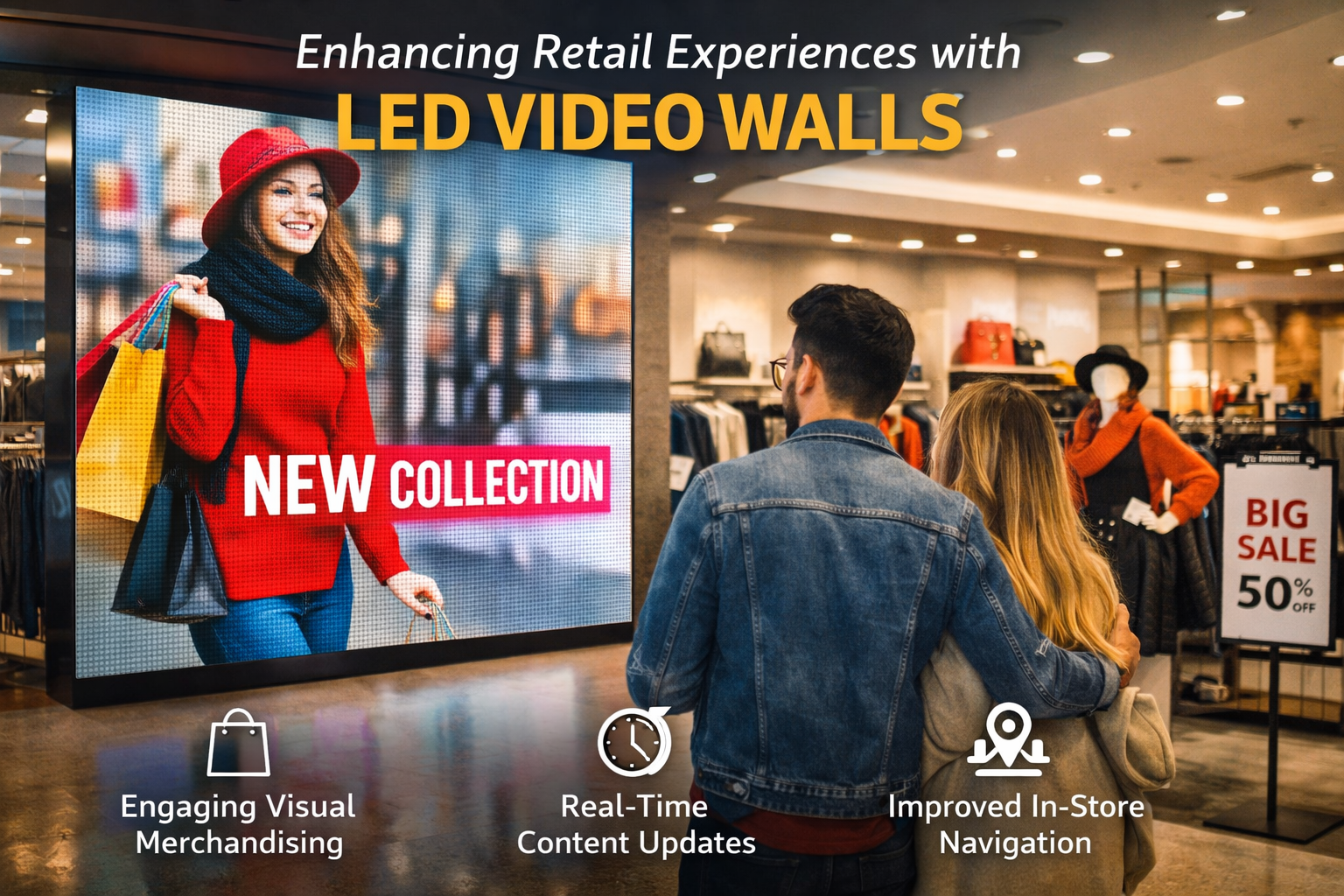
    Retail brands increasingly use LED video walls to create immersive in-store experiences that attract attention and guide customer behavior. Modern retail environments rely on digital visuals to communicate brand stories, highlight promotions, and create memorable shopping journeys. This article explains how LED video walls enhance customer experience in retail spaces and why brands invest in large-format digital displays.

    Create Immersive Visual Merchandising

    Retailers use LED video walls to transform storefronts and interior spaces into dynamic visual environments. High-brightness indoor LED displays allow teams to change content instantly, showcase seasonal campaigns, and present products in visually engaging ways. These digital surfaces attract foot traffic and draw shoppers deeper into the store.

    Increase Dwell Time and Engagement

    Dynamic content on LED video walls encourages shoppers to pause and engage with the brand. Retailers display product videos, brand stories, and lifestyle visuals to keep customers engaged longer. Increased dwell time often leads to higher purchase intent and improved brand recall.

    Support Omnichannel Campaigns In-Store

    Retail teams connect physical stores with digital campaigns by syncing LED video wall content with online promotions and social media launches. This approach ensures consistent messaging across channels and creates a cohesive brand experience for customers who interact with both online and offline touchpoints.

    Improve Wayfinding and In-Store Navigation

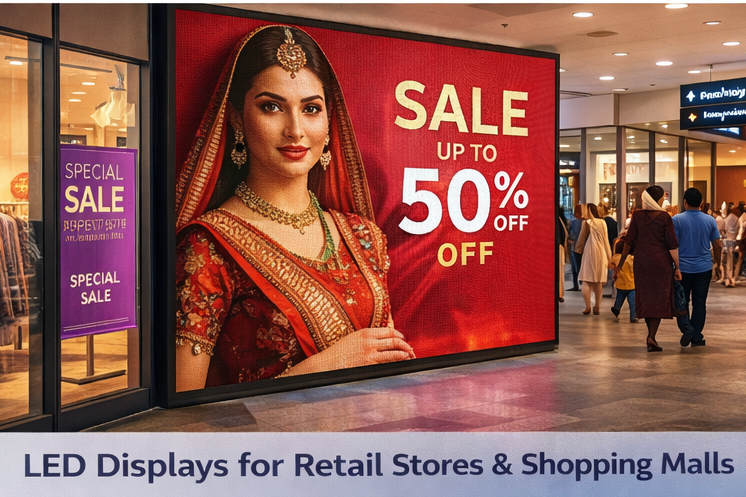
    Large LED video walls help shoppers navigate complex retail spaces. Retailers use these displays to guide visitors to departments, highlight promotions, and communicate real-time information. High-visibility outdoor LED advertising displays at mall entrances also direct visitors toward flagship stores and promotional zones.

    Enable Real-Time Content Updates

    Retail teams update LED video wall content in real time to reflect inventory changes, flash sales, and limited-time offers. This flexibility allows stores to respond quickly to customer demand and marketing opportunities without reprinting static signage.

    Connect Retail Displays to Brand Storytelling

    LED video walls provide a platform for immersive brand storytelling. Retailers use motion graphics, product demos, and lifestyle content to communicate brand values and differentiate themselves from competitors. Understanding how commercial LED displays differ from consumer screens helps teams design better content; our article on how LED screens in iPhone and Samsung mobiles differ from commercial LED displays explains these technical differences in detail.

    Final Thoughts

    LED video walls elevate retail environments by turning physical spaces into dynamic brand experiences. Retailers who align LED content with customer journeys create stronger engagement, improve navigation, and deliver more memorable in-store experiences.

  • LED Screen Display for Advertising in India: Indoor vs Outdoor Use Cases Explained

    LED Screen Display for Advertising in India: Indoor vs Outdoor Use Cases Explained

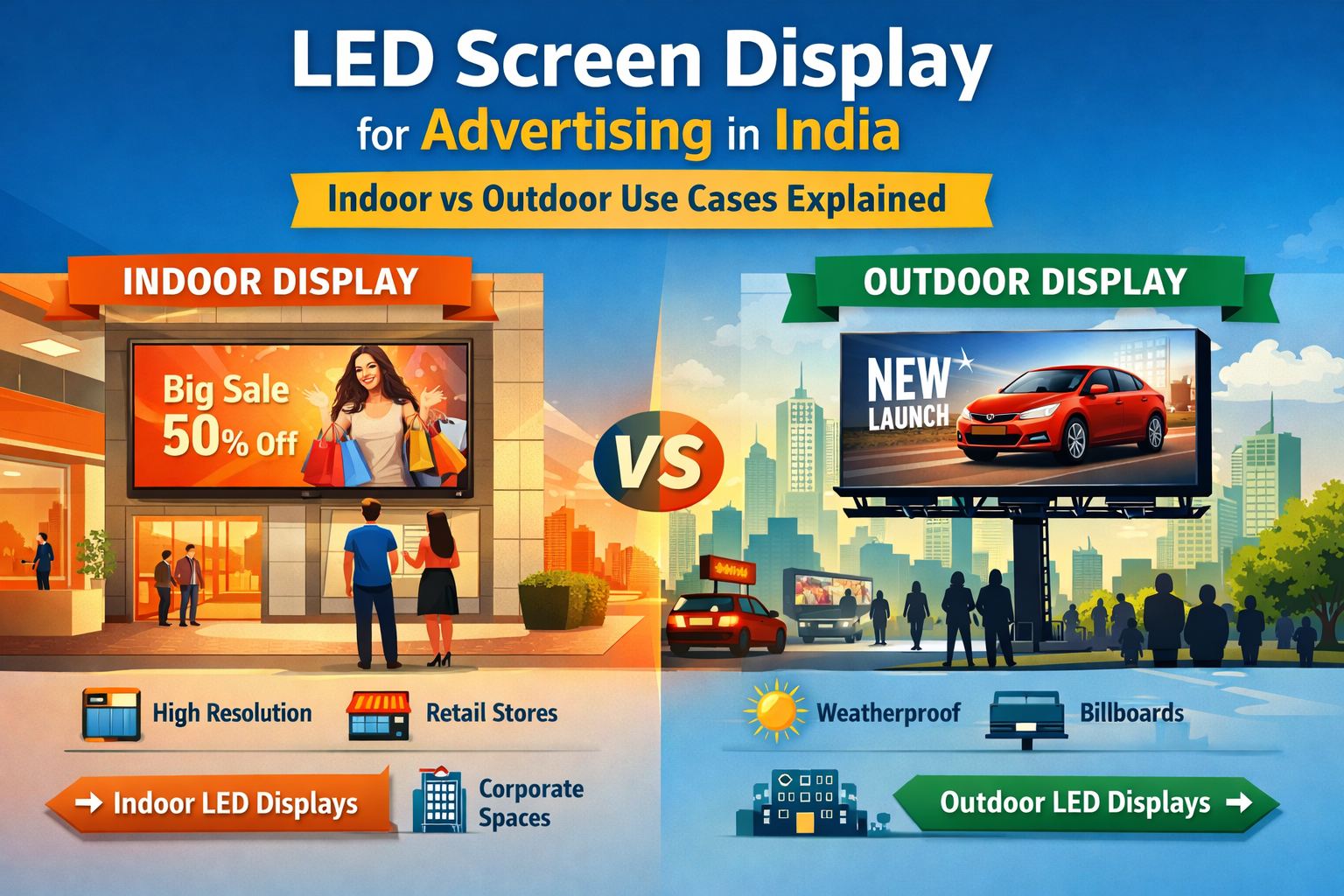
    As businesses across India move toward digital-first advertising, the demand for LED screen displays has grown rapidly. From retail stores and corporate offices to highways and public spaces, LED screens are replacing traditional signage with dynamic, high-impact visuals that attract attention and drive engagement.

    However, one common question businesses face is: Should you choose an indoor or outdoor LED screen display for advertising?
    This guide explains the key differences, use cases, and decision factors to help Indian businesses choose the right LED display solution.

    What Is a Commercial LED Screen Display?

    A commercial LED screen display is a large-format digital display designed specifically for advertising, branding, and information sharing in business environments. Unlike consumer TVs or mobile screens, commercial LED displays are built for:

    • Continuous operation
    • High brightness and visibility
    • Scalability to large screen sizes
    • Long-term reliability in demanding conditions

    In India, LED screen displays are widely used for advertising, digital signage, promotions, and brand communication across indoor and outdoor environments.


    Indoor LED Screen Displays for Advertising

    Indoor LED screen displays are designed for controlled environments where viewers are closer to the screen and visual clarity is critical.

    Common Indoor Use Cases in India

    • Retail stores and shopping malls
    • Corporate offices and boardrooms
    • Showrooms and experience centers
    • Hotels, airports, and event venues

    Indoor LED displays typically feature:

    • High resolution and fine pixel pitch
    • Lower brightness compared to outdoor screens
    • Seamless viewing for close distances

    They are ideal for delivering premium brand visuals, promotional content, presentations, and immersive customer experiences.

    👉 Explore our Indoor LED Screen Display Solutions


    Outdoor LED Screen Displays for Advertising

    Outdoor LED screen displays are engineered for high visibility in open environments, even under direct sunlight and harsh weather conditions common across India.

    Common Outdoor Use Cases

    • Roadside billboards and highways
    • Building façades and commercial complexes
    • Shopping mall exteriors
    • Stadiums, public squares, and transit hubs

    Outdoor LED displays are built with:

    • High brightness levels for sunlight visibility
    • Weather-resistant, IP-rated protection
    • Durable construction for heat, dust, and humidity

    These screens are perfect for large-scale advertising, brand campaigns, and public messaging in high-traffic areas.

    👉 Explore Outdoor LED Screen Displays for Advertising


    Indoor vs Outdoor LED Screen Display: Key Differences

    FeatureIndoor LED Screen DisplayOutdoor LED Screen Display
    BrightnessModerateVery high (sunlight readable)
    Viewing DistanceClose-rangeLong-range
    Weather ProtectionNot requiredIP-rated, weatherproof
    InstallationInterior spacesOpen and exposed areas
    Best ForRetail, corporate, eventsBillboards, roadside ads, façades

    Understanding these differences helps businesses invest in the right LED screen display for advertising rather than overspending or underperforming.


    Which LED Screen Display Is Right for Your Business in India?

    Choosing between indoor and outdoor LED displays depends on:

    • Location of installation (indoor vs outdoor)
    • Viewing distance and audience size
    • Lighting conditions (controlled lighting or direct sunlight)
    • Environmental factors like heat, rain, and dust

    For example:

    • A retail showroom benefits from a high-resolution indoor LED screen display
    • A highway or mall exterior requires a high-brightness outdoor LED advertising display

    India’s climate makes it especially important to choose LED displays engineered for long-term reliability and consistent performance.


    Why LED Screen Displays Are the Future of Advertising in India

    LED screen displays offer clear advantages over traditional signage:

    • Dynamic and engaging visual content
    • Instant content updates without printing costs
    • Higher brand recall and customer engagement
    • Better return on investment over time

    As Digital Out-of-Home (DOOH) advertising continues to expand in India, LED screen displays are becoming an essential tool for modern businesses.


    Conclusion: Invest in the Right LED Screen Display

    Whether you are planning an indoor digital experience or a high-impact outdoor advertising campaign, choosing the right LED screen display for advertising in India is crucial for success.

    By understanding indoor and outdoor use cases, businesses can invest confidently in LED display solutions that deliver visibility, durability, and long-term value.

  • How to Choose the Perfect LED Display Solution for Your Business in 2026

    How to Choose the Perfect LED Display Solution for Your Business in 2026

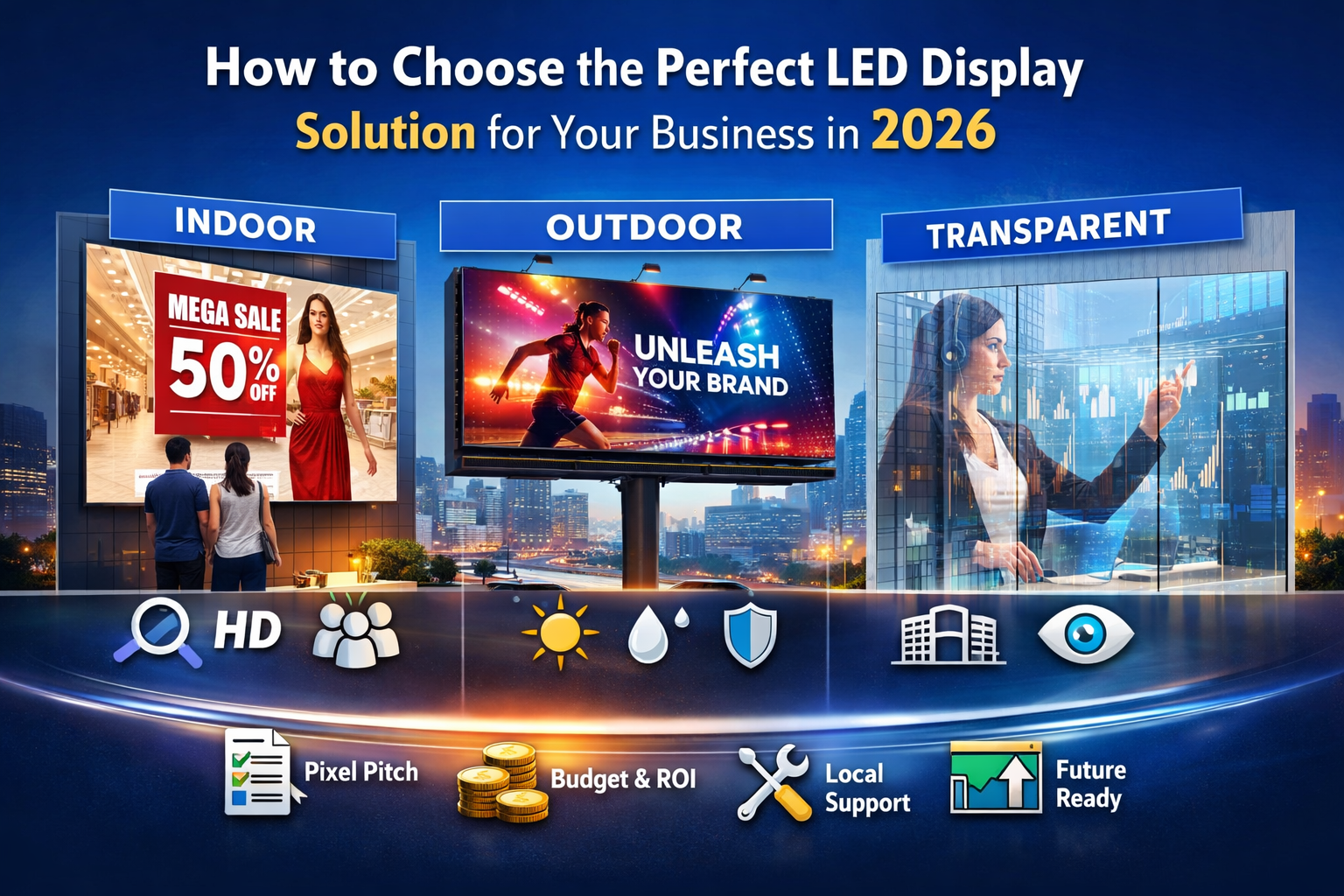
    In 2026, businesses are no longer just choosing screens — they are choosing strategic display solutions that communicate, engage, and convert. From retail stores and corporate offices to high-impact outdoor advertising, the right LED display can define your brand’s visual presence.

    But with so many options, how should Indian businesses choose the right LED display solution?

    This guide breaks down key considerations, real use cases, and how to match your business needs with the right LED display technology.


    1. Understand Your Display Purpose

    Before selecting a product, ask:

    • What is the main objective? (Advertising, branding, information, entertainment)
    • Where will the display be installed? (Indoor, outdoor, storefront, high footfall areas)
    • How close will the audience be?

    Your answers will determine the type of display best suited for your environment.


    2. Indoor vs Outdoor: Which One Do You Need?

    Indoor LED Displays

    Indoor LED walls are ideal for:

    • Retail stores
    • Corporate lobbies
    • Conference halls
    • Event stages

    These displays deliver high-resolution visuals at close viewing distances.

    👉 Explore our indoor options:

    Indoor LED walls are preferred for their clarity, pixel density, and immersive experience — perfect for spaces where audiences are nearby and detail matters.


    Outdoor LED Displays

    Outdoor LED displays are built to withstand harsh weather and bright sunlight, making them perfect for:

    • Roadside billboards
    • Shopfront signage
    • Transit hubs
    • Stadium exteriors

    👉 Our outdoor options include:

    These displays are engineered for high brightness, durability, and continuous operation — essential for demanding outdoor environments.


    3. Transparent LED Displays: When Innovation Meets Visibility

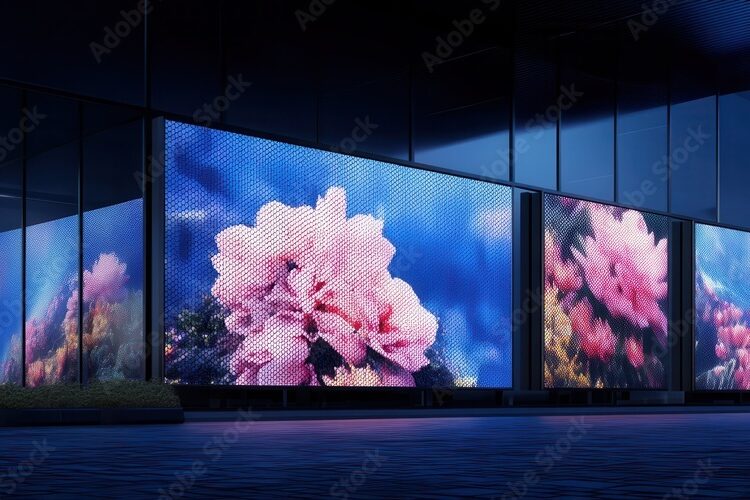
    Transparent LED displays are perfect for modern architectural spaces where maintaining visibility without compromising messaging is key.

    👉 Check out:

    These displays allow natural light to enter while delivering dynamic content, making them perfect for:

    • Storefront windows
    • Corporate headquarters
    • Showrooms

    Transparent LED displays combine visibility with aesthetics, letting brands communicate without blocking sightlines.


    4. Viewing Distance & Pixel Pitch: Match Precision to Purpose

    A key factor in choosing any LED display is pixel pitch, which defines:

    • How close the audience will be viewing the screen
    • The desired clarity and resolution

    For example:

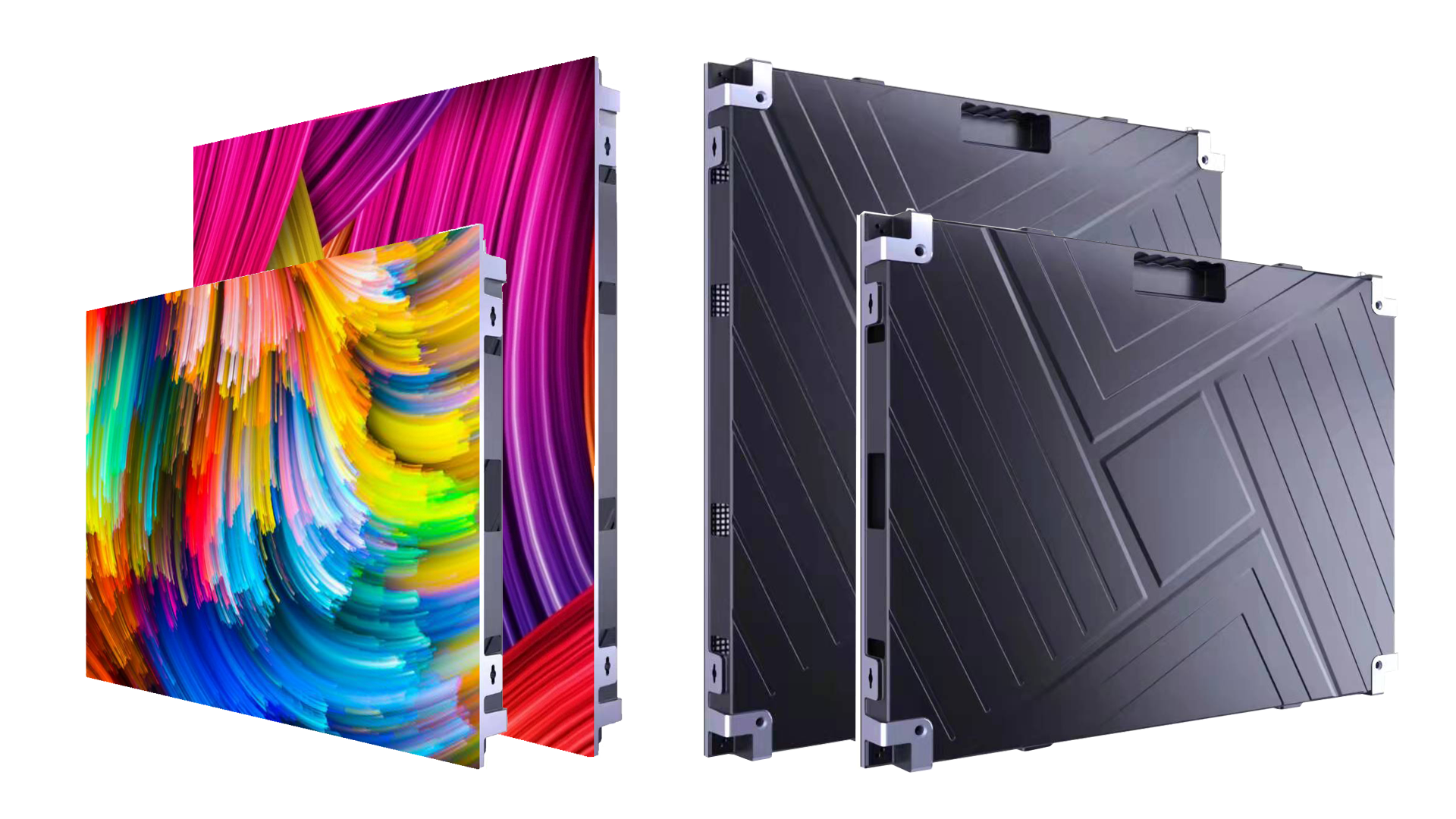
    • Indoor displays like the IEC Series are optimized for close-up viewing
    • Outdoor displays like the AP Series are designed for visibility from longer distances

    👉 For a deeper guide on pixel pitch, see our blog:
    Pixel Pitch Explained: How to Choose the Right LED Video Wall Resolution


    5. Budget vs Value: What to Invest In

    While it’s natural to consider price, the smarter investment is in value and performance:
    ✔ Weather-proofing and long lifespan
    ✔ Energy efficiency
    ✔ Brightness and contrast suitable for your environment
    ✔ Local support and maintenance

    LED displays like the Diamond Outdoor LED Display and WP Series Indoor Displays are designed to reduce long-term costs through reliability and durability.


    6. Local Support: A Critical Advantage in India

    Choosing a vendor with on-ground support makes a big difference:

    • Faster installations
    • Rapid technical troubleshooting
    • Regional climate expertise

    At Gleam LED, we understand Indian environmental challenges — from intense sun to monsoon humidity — and deliver solutions that stand the test of time.


    7. Future-Proof Your Display Investment

    As digital environments evolve, your display should too. Look for:
    📌 Scalable systems
    📌 Modular components for easy upgrades
    📌 Compatibility with content management systems

    This preparation ensures your investment stays relevant across:

    • Brand campaigns
    • Product launches
    • Seasonal promotions

    Conclusion: Choose with Clarity

    Selecting the perfect LED display isn’t just about the hardware — it’s about aligning the display’s strengths with your business goals.

    Whether you need:
    🌟 an Indoor LED Display for immersive customer experiences
    ☀️ a High-Brightness Outdoor LED Display for impactful brand visibility
    ✨ a Transparent LED Display that blends design with digital messaging

    Gleam LED has the right solution for India’s dynamic business landscape.

    👉 Explore all our LED display solutions here:
    https://gleamled.com/our-products/

  • The Essential Buyer’s Guide: 5 Things to Know Before Investing in an LED Video Wall

    The Essential Buyer’s Guide: 5 Things to Know Before Investing in an LED Video Wall

    Are you looking to upgrade your business space with a high-impact digital display? Whether it’s for a corporate boardroom, a retail storefront, or a large-scale outdoor billboard, an LED video wall is one of the most powerful communication tools available in 2026.

    However, for many business owners, the technical jargon can be overwhelming. To help you make a smart investment, we’ve broken down the five most important factors to consider before you buy.

    1. Understanding Pixel Pitch (The “Clarity” Factor)

    Pixel pitch (the distance between the center of two LED pixels) is the most important spec you’ll encounter.

    • The Rule of Thumb: The closer your audience is to the screen, the smaller the pixel pitch should be.
    • For an indoor led video wall, you’ll likely want a “fine pitch” (like P1.8 or P2.5) for crisp text. For an outdoor led wall, a larger pitch (like P4 or P6) is often sufficient since viewers are further away.

    2. Brightness: Nits vs. Lumens

    Unlike projectors that are measured in lumens, LED displays are measured in Nits.

    • Indoor displays typically need 600–1,200 Nits to look vibrant.
    • Outdoor displays require at least 5,000–7,000 Nits to remain visible under direct Indian sunlight. Choosing a screen with “Adaptive Brightness” can help save on electricity by dimming the screen at night.

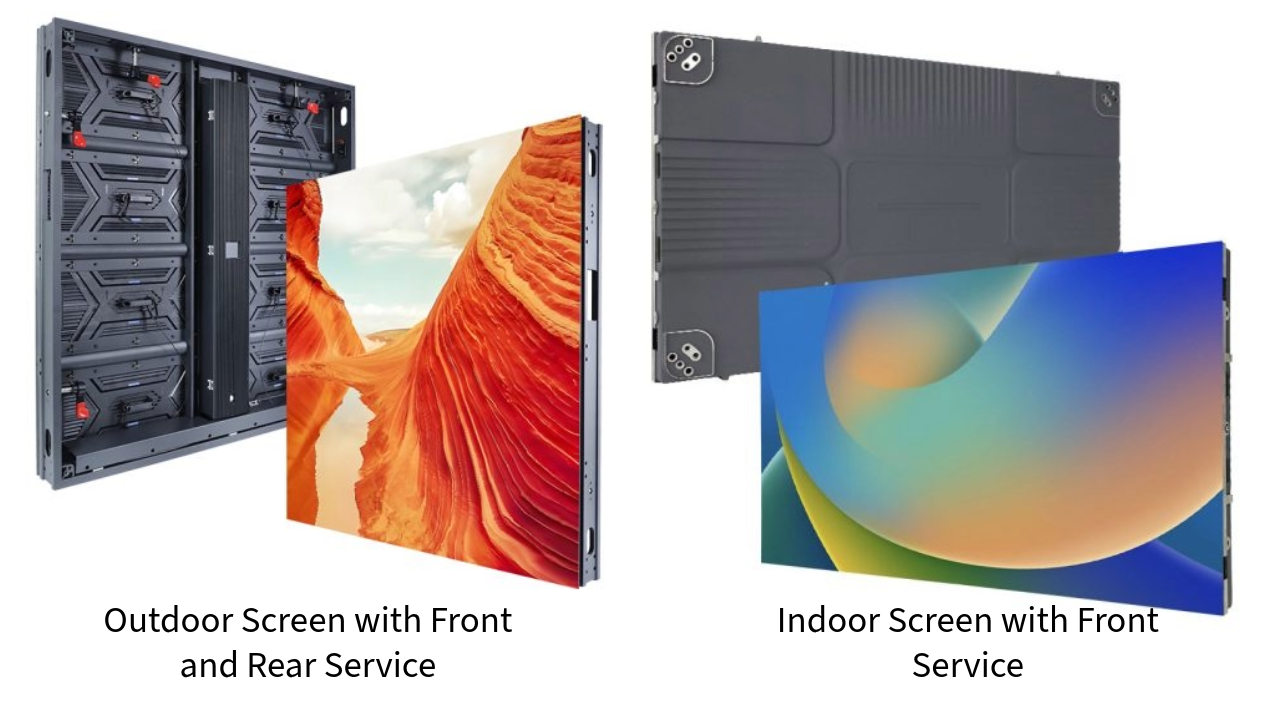
    3. Front vs. Rear Serviceability

    How will you maintain your screen?

    • Front Access: Ideal for indoor led wall installations where the screen is mounted directly against a wall. Modules can be popped out from the front for quick repairs.
    • Rear Access: Common for large outdoor billboards where there is a walkway behind the screen for technicians.

    4. Lifespan and the “Binning” Process

    A quality led display wall India installation should last over 100,000 hours (about 10 years). To ensure the colors stay consistent over time, ask your provider if the LEDs come from the same “bin.” This ensures that every module has the exact same color temperature and brightness.

    5. Content Management: The Brain of the Display

    The hardware is only half the story. You need a reliable Content Management System (CMS) to schedule your ads and videos. Modern systems allow you to update your led video wall india remotely from your phone or laptop, ensuring your messaging is always fresh.

    Conclusion

    Investing in a led video wall display is about more than just buying a screen; it’s about choosing a partner who understands your vision. From the indoor led screen price to the final installation, make sure you prioritize quality and local support.

    Not sure which pixel pitch is right for your space? Check out our Full Product Catalog or contact us at +919881901487 for a free site survey.

  • Why High-Resolution Indoor LED Video Walls are the Future of Retail in India

    Why High-Resolution Indoor LED Video Walls are the Future of Retail in India

    In 2026, the Indian retail landscape is no longer just about selling products; it’s about creating an immersive “phygital” experience. As brands compete for attention in crowded malls, the indoor led video wall has emerged as the most transformative tool for modern businesses. Whether you are looking for an indoor led video wall and service in india or simply exploring the indoor led wall price in india, understanding the technology behind these displays is key to staying competitive.

    The Power of Pixel Precision

    The demand for sharper, high-contrast imagery has made the indoor led screen price a major point of interest for luxury brands and corporate lobbies. Modern indoor led wall lights are now engineered with smaller pixel pitches, allowing for crystal-clear visuals even from a few feet away. This level of detail is essential for:

    • Fashion Retailers: Showcasing runway footage in motion.
    • Corporate Lobbies: Making a powerful first impression with high-tech, professional displays.
    • Control Rooms: Visualizing critical data with 24/7 reliability.

    Is an Indoor LED Wall Right for You?

    While some businesses still look for a simple indoor led wall lamp or a decorative indoor led wall sconce to set the mood, true commercial impact comes from a full-scale video wall. If you are researching the indoor led wall light options for your office, consider how a seamless display can improve internal communication and brand recall.

    For premium solutions and expert installation, explore the full range of Indoor LED Displays at Gleam LED.


  • Maximizing ROI with Outdoor LED Advertising Display Boards in India

    Maximizing ROI with Outdoor LED Advertising Display Boards in India

    Outdoor advertising is undergoing a digital revolution. Static hoardings are being replaced by dynamic led display wall india solutions that grab attention with moving visuals and real-time updates. If you’ve been searching for a led video wall india or checking the latest led wall display price in india, you already know that digital is the new standard for high-traffic zones.

    Why Digital Billboards Win in 2026

    Traditional signs can’t compete with the outdoor led screen wall India. A digital outdoor led wall allows brands to rotate multiple ads, adjust brightness for sunlight, and even schedule content based on the time of day.

    When comparing an outdoor led wall screen to a static board, the benefits are clear:

    1. High Attention Value: Moving visuals naturally stand out in busy bazaars and highways.
    2. Weather Resistance: Modern outdoor led wall panels are IP65-rated to handle India’s extreme heat and monsoon rains.
    3. Real-Time Flexibility: Update your offers in seconds without the cost of reprinting flex banners.

    Finding the Right Price

    The led video wall display price in india varies based on resolution (pixel pitch) and cabinet material. For those looking for the best led wall display screen price in india, it’s important to look beyond the initial cost and consider the long-term energy savings and lower maintenance of high-quality led video wall indiamart alternatives.

    Ready to transform your outdoor presence? Check out the Outdoor LED Series at Gleam LED to see how we help brands dominate the streets.


  • The Digital Frontier: Why OOH Advertising is Your 2026 Growth Engine

    The Digital Frontier: Why OOH Advertising is Your 2026 Growth Engine

    In an era where digital ad-blocking and “screen fatigue” are at an all-time high, Digital Out-of-Home Advertising has emerged as the most trusted and unmissable way to reach consumers. Unlike online ads that can be skipped or scrolled past, OOH integrates your brand into the physical journey of your customer’s daily life—whether they are commuting to work, shopping at a mall, or traveling through an airport.

    The Power of the “Physical Impression”

    As we look toward 2026, the value of OOH impressions is skyrocketing. Recent studies show that OOH has the highest recall of all ad formats, with nearly 65% of people remembering a brand they saw on a billboard in the last 30 days. It serves as a powerful “media amplifier,” making your existing social media and search campaigns significantly more effective by building real-world trust first.

    The Shift to Digital: DOOH and Better Outputs

    The real transformation is happening in Digital Out-of-Home (DOOH). By switching from static posters to high-resolution LED screens, businesses are seeing a 20% boost in ROI due to several key advantages:

    • Real-Time Flexibility: Update your creative instantly to reflect weather changes, sports scores, or flash sales without any printing costs.
    • Contextual Relevance: Show a coffee ad during the morning rush and switch to a dinner promotion by 5:00 PM.
    • Viral Potential: 3D and anamorphic LED designs are no longer just for big tech. They create “shareable moments” that jump from the physical street to TikTok and Instagram.

    Strategies for 2026 Success

    1. Integrate QR Codes: Turn passive viewing into measurable action by adding a clear call-to-action that viewers can scan.
    2. Focus on Brightness: To combat direct sunlight, ensure your outdoor screens have a brightness of at least 6,500 nits.
    3. Use Strategic Locations: Place your screens at “dwell time” spots—bus shelters, traffic lights, or charging stations—where people have more time to absorb your message.
  • Navigating 2026: The Ultimate Guide to Indoor and Outdoor LED Display Solutions in India

    Navigating 2026: The Ultimate Guide to Indoor and Outdoor LED Display Solutions in India

    As we move into 2026, India’s advertising and corporate sectors are undergoing a massive “digital-first” transformation. With the rise of Smart Cities from Nashik to Surat, LED displays have become the backbone of modern urban communication.

    However, “one size” does not fit all. To get the most out of your investment, you must understand the engineering differences between Indoor and Outdoor solutions.

    1. Indoor LED Displays: Precision and Clarity

    Indoor screens are designed for environments with controlled lighting where viewers are standing or sitting close to the display.

    • Pixel Pitch (Resolution): Indoor screens use a much smaller pixel pitch, typically ranging from P0.9 to P2.5. This ensures that even from a few feet away, the image looks as sharp as a high-definition TV.
    • Visual Performance: 2026 standards prioritize High Refresh Rates (up to 7,680Hz) to ensure visuals are “camera-ready.” This is essential for modern offices and studios where people frequently photograph or film the screen for social media.
    • Applications: Ideal for Corporate Boardrooms, Luxury Retail Stores, Airport Information Displays, and Control Rooms.

    2. Outdoor LED Displays: Power and Durability

    Outdoor screens are engineered for “environmental combat.” They must stay visible under the harsh midday Indian sun and survive extreme weather.

    • Luminous Intensity (Brightness): While indoor screens hover around 1,000 nits, outdoor displays reach 5,000 to 10,000+ nits. This allows them to stay vibrant even in direct sunlight.
    • Ingress Protection (IP Rating): Outdoor units are built with IP65 to IP68+ ratings, making them completely dustproof and waterproof against heavy rain.
    • Pixel Pitch: Because these are viewed from a distance (like a highway or a stadium), they use a larger pixel pitch, typically P4 to P10, which provides a cost-effective way to cover massive surface areas.

    Technical Comparison at a Glance

    FeatureIndoor LED DisplaysOutdoor LED Displays
    Pixel Pitch0.6mm – 2.5mm (Ultra Fine)4.0mm – 10.0mm (Standard)
    Brightness600 – 1,500 nits5,000 – 10,000+ nits
    ProtectionBasic (IP20/IP30)Weatherproof (IP65+)
    MaintenanceFront/Rear AccessibleOften Front Serviceable for ease

    3. The Smart City Advantage: 2026 Trends

    In late 2025, we are seeing a massive surge in Variable Message Displays (VMD) and Intelligent City Surveillance systems.

    • AI Integration: Modern screens now use AI to auto-adjust brightness based on ambient light, saving significant energy costs.
    • IoT Connectivity: Screens in smart hubs like Thane and Bengaluru are now integrated with emergency response systems and environmental sensors to show real-time AQI and traffic alerts.
    • Sustainable Tech: New COB (Chip-on-Board) technology is reducing power consumption by up to 40%, making digital signage an eco-friendly alternative to traditional printed vinyl.

    Conclusion: Choosing Your Solution

    The best LED display is the one that matches your specific environment and viewing distance. At Gleam LED, we provide end-to-end solutions—from technical site surveys to professional installation—ensuring your indoor or outdoor display performs perfectly for years to come.

    Ready to illuminate your business?

    Contact Us Now