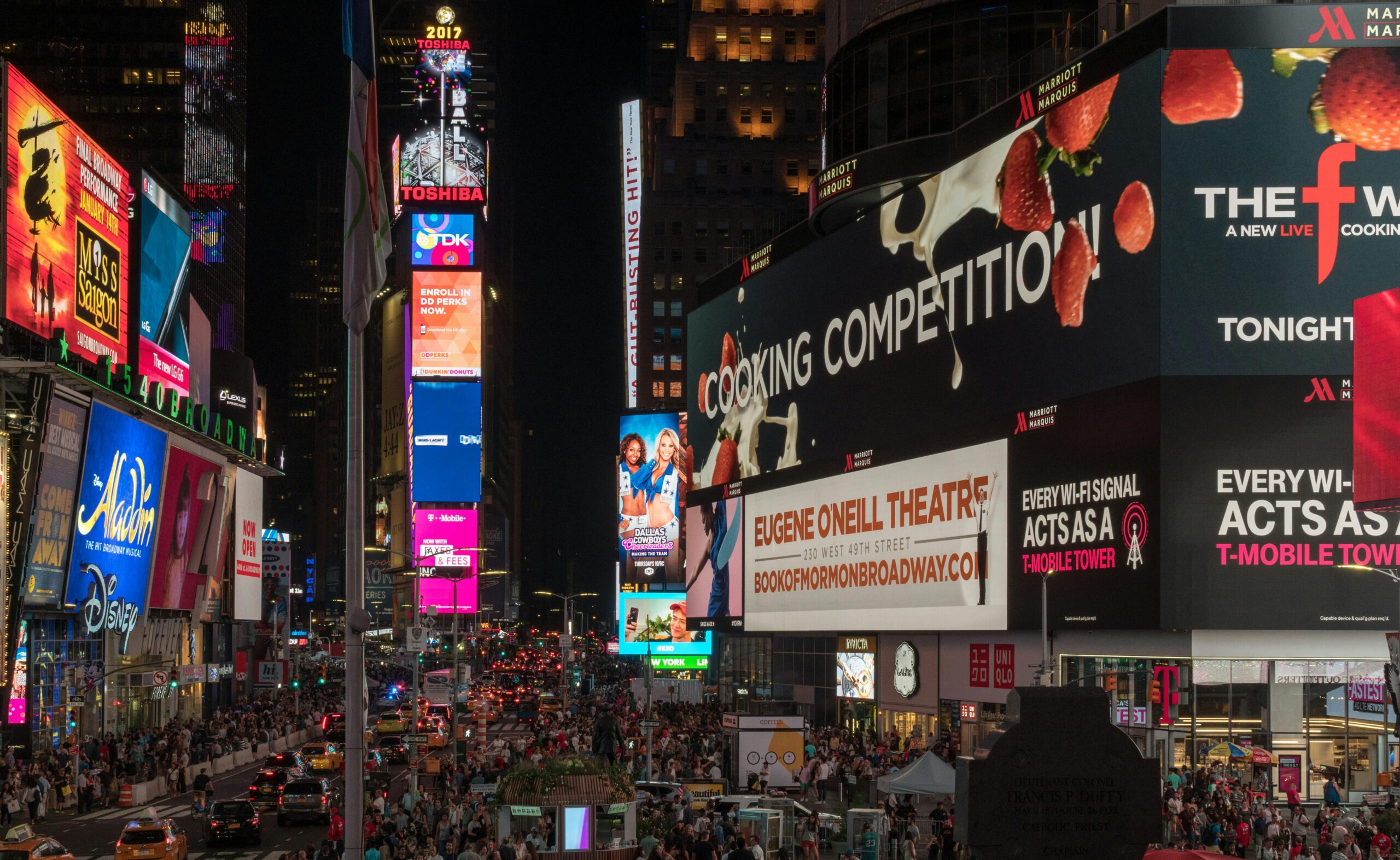
In a world saturated with digital ads, Outdoor Advertising (OOH) remains one of the few mediums that cannot be skipped, blocked, or muted. Across the globe, the landscape is shifting from static boards to Digital Out-of-Home (DOOH), a sector now commanding nearly half of the total outdoor market share in major urban centers.
For businesses looking to scale, understanding the technical and strategic shifts in outdoor displays is essential. Here is a guide to the current trends and high-impact locations for modern digital advertising.
1. From Static to “Smart” Billboards
The traditional “hoarding” has evolved. Modern digital platforms allow brands to run dynamic content that can change based on the time of day, local weather, or real-time trending topics.
- The Advantage: One physical site can now host multiple advertisers on a loop, making prime locations more accessible for various brands.
- Real-time Flexibility: Cloud-based systems enable brands to update their messaging instantly, which is critical for time-sensitive promotions.
- Industry Insights: Explore the latest Global DOOH Market Data via Statista.
2. High-Impact Locations: Beyond the Main Roads
While major expressways and high-traffic arterial roads remain iconic for mass reach, new premium “touchpoints” are emerging as the preferred choice for targeted engagement:
- Transit Hubs: International airports and metropolitan railway stations are the fastest-growing segments. These hubs offer “high dwell time,” where passengers are more likely to engage with high-definition interactive screens while waiting.
- Retail & Luxury Malls: Modern shopping centers capture consumers exactly when they are in a “buying mindset.” Digital displays in these areas are highly effective for driving immediate foot traffic to nearby stores.
- Smart City Infrastructure: Digital kiosks and modern bus shelters are bringing high-definition video loops into the heart of suburban communities, shrinking the gap between urban and residential advertising.
3. The Technical Essentials for Performance
To ensure an outdoor investment delivers results, focus on these three critical technical standards:
- Camera-Ready Refresh Rates: With almost every consumer carrying a smartphone, screens must look perfect on camera. A refresh rate of ≥3840Hz prevents the “scan lines” that often ruin photos of LED screens on social media.
- Extreme Weather Resilience: Outdoor screens must fight intense heat and heavy rain. Hardware with an IP65 waterproof rating and high-brightness modules (up to 7000 nits) ensures content remains vibrant even under direct sunlight.
- Technical Standards: Understand International IP Ratings for Electronics via the International Electrotechnical Commission.
4. Navigating the Legal & Safety Landscape
Professionalism in outdoor advertising means staying compliant with local regulations. This involves:
- Structural Safety: Large-scale LED installations must be certified by structural engineers to ensure they can withstand high wind pressures and environmental stress.
- Content Ethics: Advertisements should follow professional codes of conduct, such as the guidelines provided by the Advertising Standards Council of India (ASCI).
- Municipal Permits: Every city has unique bylaws regarding brightness levels and placement to ensure public safety and minimize driver distraction.
Conclusion: Making a Lasting Impression
Outdoor advertising is no longer just about visibility—it’s about engagement and precision. By combining high-resolution technology with strategic placement, businesses can achieve a brand recall that digital-only campaigns simply cannot match.